Bentonville WeatherToday: Partly Agentic, Clearing By Thursday, Leftovers Through Sunday
Satire news site CPG and e-commerce
All the news that's fit to scan
The Tape: Delayed, Like Your Supplier's Shipment.
Cyber Week Sales Influenced By AI$75.8B▲ +13%
U.S. Cyber Week Online Sales, Forecast$84B▲ +6%
AI Traffic To Retailer Sites104%▲ year over year
Thanksgiving Dinner For 10$58.63▲ +6%
16-Pound Turkey$23.68▲ +10%
Emergency-Brand Spending, Nov. 12 to 17400%▲ vs. last year
Celery And Carrot Tray3.7%▼ cheaper
Large Pizza, Days Remaining3▼ slices, fictional
Weekly Roundup Satire
The Week in Retail, Explained Badly
Nov 9, 2026 to Nov 15, 2026. Seven editions, seven lead stories, one week in which a loyalty program asked a shopper to prove it, a snack bag went friendly and empty, an AI ad tool applied a discount to everything, a wallet bought itself a nicer wallet, and a kitchen drawer in Dayton was indexed. Here it is again, in order, explained badly.
What real retail and e-commerce news happened from Nov 9, 2026 to Nov 15, 2026? Each “What actually happened” line below is factual and links to its source.
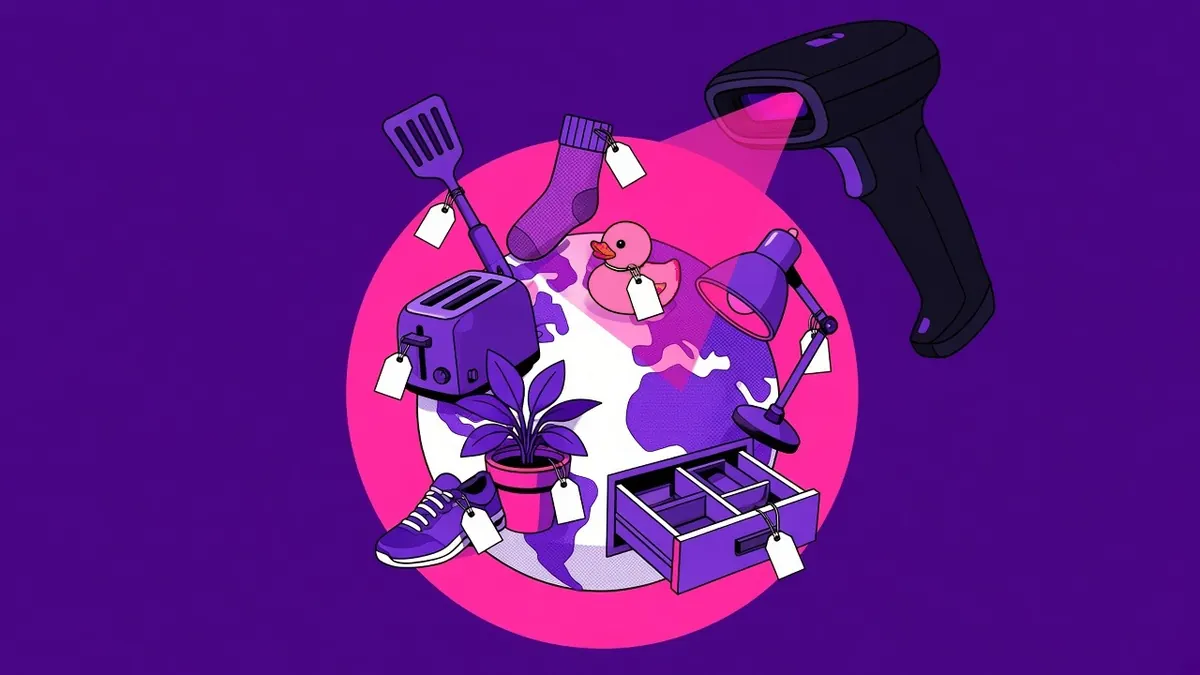
Explained badly: Amazon drafted a plan to catalog every product on Earth. A kitchen drawer in Dayton was already in it.
What actually happened: Reuters reported on Nov. 13, 2026 that an internal Amazon document describes World Product Graph, a plan to gather data on virtually every product for sale, including items Amazon does not stock, using brand data and crawls of other retailers' sites. The memo lists an aspirational Oct. 1, 2027 date; Amazon said drafts may not reflect its plans.
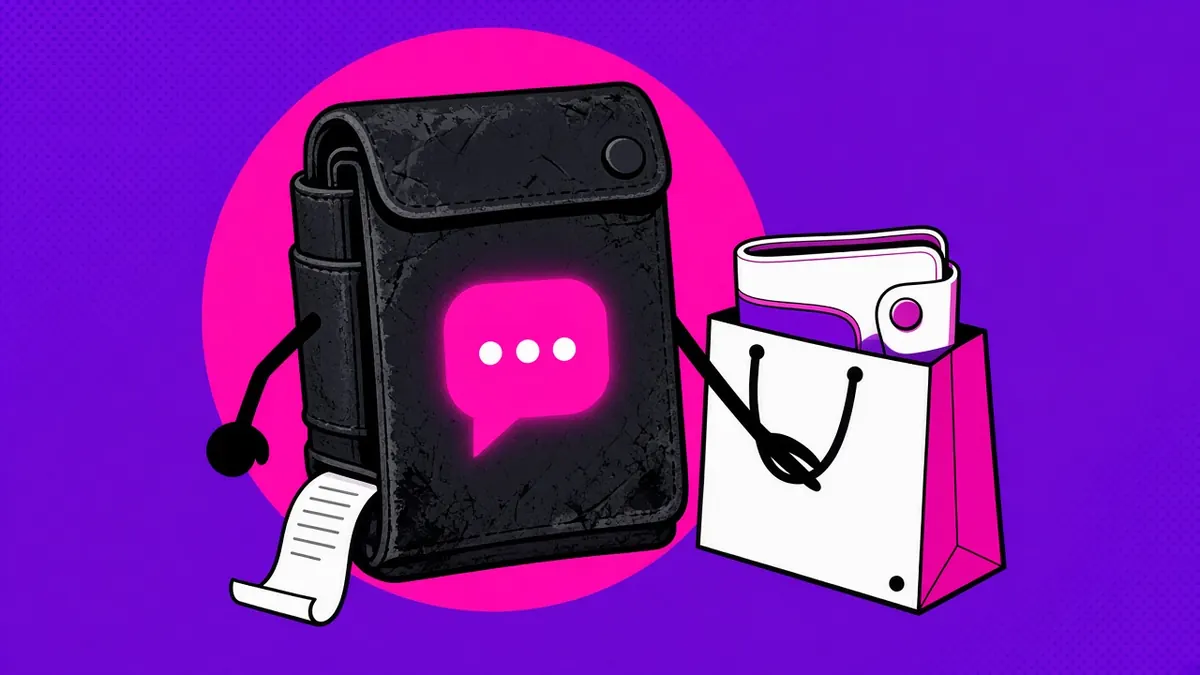
Explained badly: A ChatGPT Wallet was allowed to shop. Its first purchase was a nicer wallet, for itself.
What actually happened: TechCrunch reported on Nov. 13, 2026 that OpenAI launched a Wallet feature letting ChatGPT agents, called dots, help users decide what to buy and complete purchases. It starts with a limited number of U.S. Pro subscribers with eligible cards; users review each order and approve it with Face ID or a fingerprint.
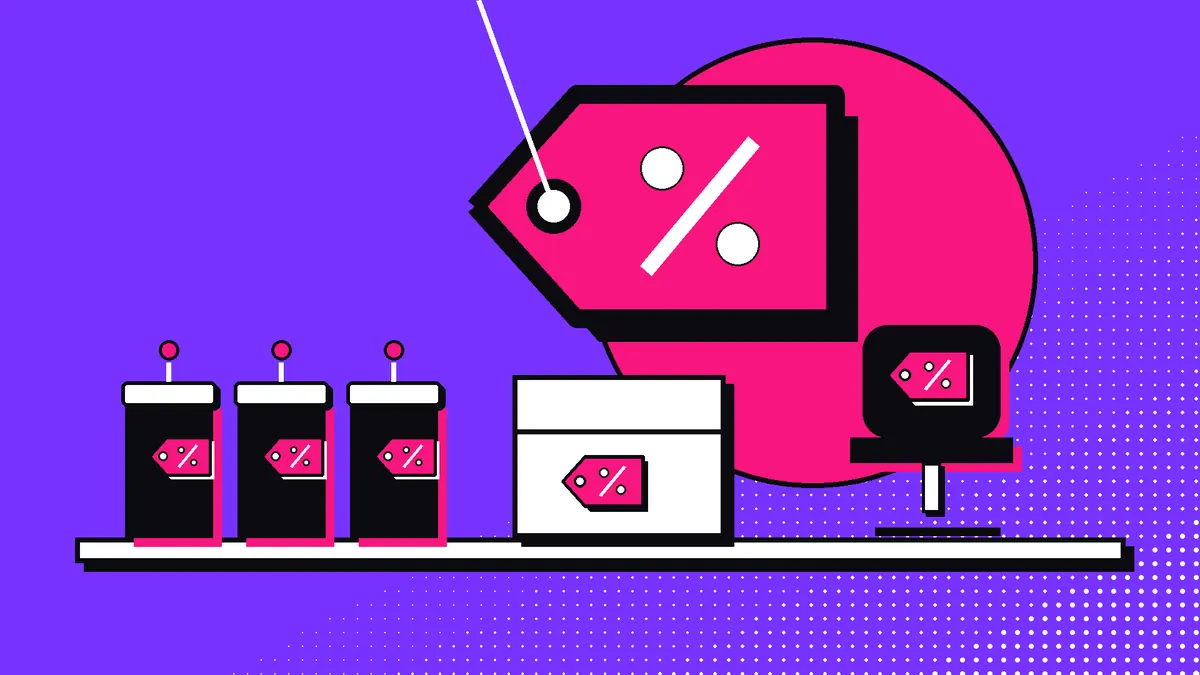
Explained badly: An AI ad tool found a discount and applied it to everything, including the company.
What actually happened: Marketing Dive reported on Nov. 12, 2026, citing PPC Land, that Meta's AI-powered ad tools took discounts from a store's website and displayed them in its Facebook and Instagram ads, even when the shop had turned promotions off on the copied ad. Advertisers can stop this by updating detected-offer settings in Commerce Manager.
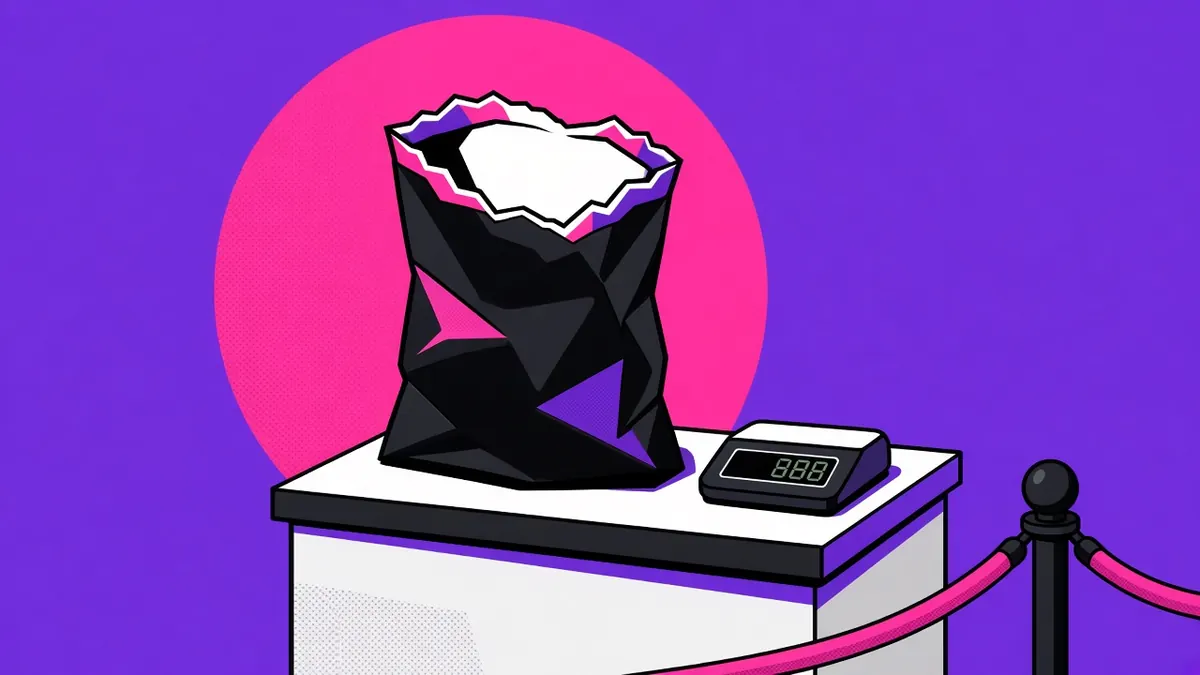
Explained badly: A snack bag labeled GLP-1 friendly arrived containing no snacks, which the bag considered a feature.
What actually happened: Grocery Dive reported on Nov. 11, 2026 that food and beverage companies are launching smaller portions and protein- and fiber-rich products for people taking GLP-1 weight-loss drugs, with Conagra adding a GLP-1 friendly label, while experts at a Food Dive event warned against treating these consumers as a monolith.
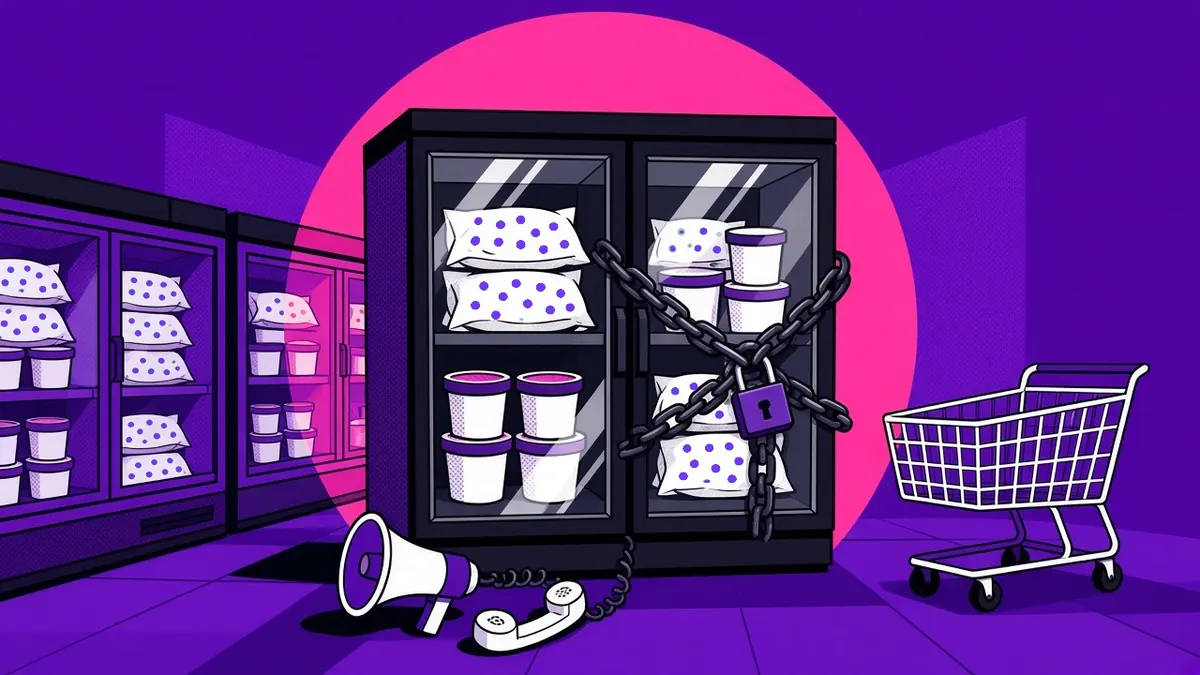
Explained badly: Hackers were reported to have taken a frozen food aisle hostage. The ice cream held.
What actually happened: Grocery Dive reported on Nov. 10, 2026 that CISA, the FBI, the USDA and other federal agencies issued a joint statement urging businesses to protect internet-connected refrigeration and cold chain monitoring systems, after attacks on European supermarkets since early October, including one that raised temperatures at hundreds of French stores to 120 degrees.
Explained badly: A dollar store opened a luxury division. The luxury started at two dollars.
What actually happened: Yahoo Finance published a Zacks analysis on Nov. 9, 2026 reporting that Dollar General plans 2,000 Project Renovate and 2,250 Project Elevate store remodels in fiscal 2026, targeting comparable-sales lifts of about 6% and 3%. By the end of the second quarter it had completed 1,324 and 1,422 projects.
Explained badly: A loyalty program asked a shopper to prove she was loyal. She was. That was not enough.
What actually happened: Sunoco Retail and Velocity Logic Group announced on Nov. 9, 2026 a multi-year partnership under which VLG's platform will run Sunoco's Go Rewards and Journie Rewards loyalty programs across the United States and Canada, with a phased rollout early next year. Sunoco said members need take no action and balances will carry over.